
Natalia Osipova is a Russian ballet dancer best known as a principal ballerina with The Royal Ballet in London. Famous for her extraordinary jumps, lightning-fast turns, and emotional performances, she previously danced with the Bolshoi Ballet and American Ballet Theatre.
She’s also exploring acting and contemporary dance. Let’s take a closer look at her fascinating career.
Natalia Osipova’s Biography
Here are some quick facts about Natalia Osipova, including her age, family, and professional background.
- Real Name: Natalia Petrovna Osipova
- Birthday: May 18, 1986
- Birthplace: Moscow, Russia
- Nationality: Russian
- Profession: Professional ballet dancer, actress
- Dance Style: Classical ballet, contemporary ballet, modern dance
- Mother: Iraida Osipova
- Father: Pyotr Osipov, trained as an engineer and practiced karate
- Siblings: One sister
- Partner: Jason Kittelberger, dancer and choreographer
- Dance Company: The Royal Ballet, London
- Current Rank: Principal Dancer
Natalia Osipova Net Worth
Natalia Osipova’s net worth has not been publicly confirmed by a reliable financial source.
Her professional income comes from performing with The Royal Ballet, international guest appearances, independent dance productions, and theater projects.
She has worked with several prestigious ballet companies throughout her career, but her exact salary, earnings, and personal assets have not been publicly disclosed.
Read more: How much do ballerinas make a year?
Natalia Osipova Personal Life
Natalia Osipova grew up in a working-class family in Moscow. Her father practiced karate, while her mother focused on raising Natalia and her sister.

She has been in a long-term relationship with American dancer and choreographer Jason Kittelberger, whom she met while working on Roy Assaf’s Six Years Later in 2018.
In a September 2026 interview, The Guardian referred to Jason as her husband. Earlier, Osipova had explained that their wedding plans were postponed.
Outside ballet, she enjoys spending time with her dogs and maintains strong emotional ties to Russia.
Early Life
Natalia Osipova was born on May 18, 1986, in Moscow, then part of the Soviet Union.
Interestingly, ballet wasn’t her first passion.
As a young child, Natalia loved gymnastics and dreamed of becoming an Olympic champion. She started training around age five and quickly developed impressive flexibility, strength, and body control.
However, a back injury changed her plans.
Her parents worried that continuing gymnastics could cause long-term problems, so they encouraged her to try ballet instead.
Natalia wasn’t particularly excited about the idea.
She initially found ballet classes repetitive and less interesting than gymnastics. While other students concentrated on their exercises, she sometimes struggled to stay focused.
At around eight years old, she began training at the Mikhail Lavrovsky Ballet School in Moscow.
She later entered the Moscow State Academy of Choreography, commonly known as the Bolshoi Ballet Academy.
There, she studied under teachers including Marina Leonova and developed the rigorous classical technique required for professional ballet.
Although Natalia initially resisted ballet, performing onstage gradually changed her attitude.
By her teenage years, she had discovered the excitement of interpreting characters and expressing emotions through movement.
The Way to Become a Professional Dancer
In 2004, Natalia Osipova graduated from the Bolshoi Ballet Academy and joined the Bolshoi Ballet’s corps de ballet.
She was only 18 years old.
However, her physical appearance didn’t match every traditional expectation for a Russian ballerina.
Natalia was relatively small and extremely energetic, while some teachers favored taller dancers with more restrained movement qualities.
Fortunately, artistic director Alexei Ratmansky recognized her potential.
He gave her opportunities to perform featured roles, including Kitri in Don Quixote.
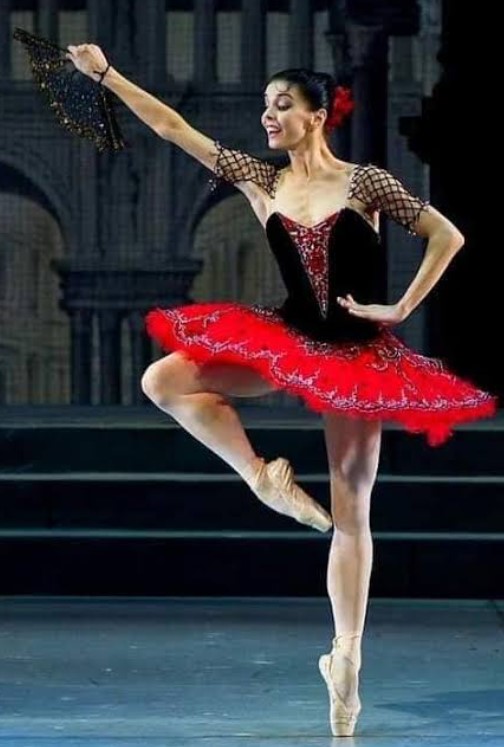
The character suited Natalia’s explosive energy, quick footwork, and lively personality.
Her performances attracted attention, and she was promoted to soloist in 2006.
But her early success also created a challenge.
Some people associated her mainly with athletic, technically demanding roles, while Natalia wanted to explore more emotional characters such as Giselle.
She continued developing both sides of her dancing.
In 2010, she was promoted to principal dancer at the Bolshoi Ballet.
The Breakthrough
Natalia Osipova’s international breakthrough came through her performances as Kitri in Don Quixote during the Bolshoi Ballet’s London tours.
Her appearances in 2006 and 2007 introduced British audiences to her unusually powerful jumping technique and energetic stage presence.
The role requires fast turns, dramatic leaps, playful acting, and exceptional stamina.
Natalia delivered those qualities with an intensity that immediately attracted attention.
She later identified her first London performance of Don Quixote as a defining moment in her career.
The enthusiastic audience response helped establish her reputation outside Russia.
For sure, this period transformed her from a promising Bolshoi dancer into an internationally recognized ballerina.
The Journey to Success
Despite becoming a Bolshoi principal, Natalia wanted greater artistic freedom.
In 2011, she left the company and joined the Mikhailovsky Ballet in St. Petersburg as a principal dancer.
The following year, she became a principal with American Ballet Theatre in New York.
There, she performed the title role in Alexei Ratmansky’s The Firebird, expanding her experience with contemporary choreography.
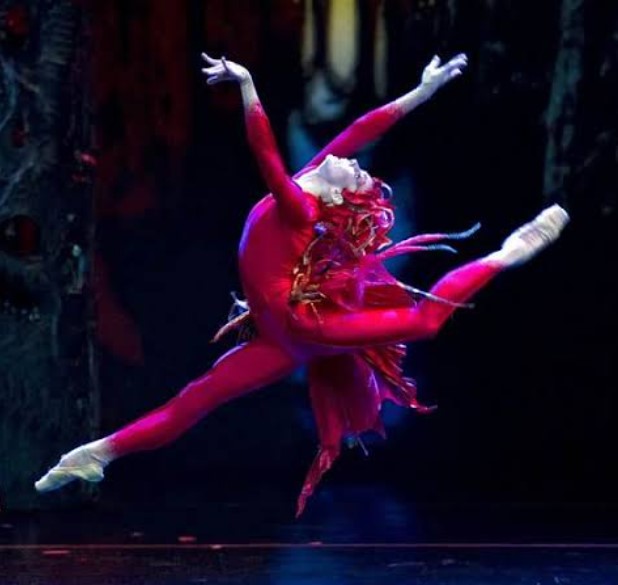
Another major change came in 2013, when she joined The Royal Ballet in London as a principal.
Her repertoire grew to include Giselle, Swan Lake, Romeo and Juliet, Manon, Onegin, and Mayerling.
She also began exploring more experimental productions, including Wayne McGregor’s Woolf Works and Arthur Pita’s The Mother.
These collaborations allowed Natalia to develop a stronger connection between ballet technique and dramatic storytelling.
Natalia Osipova Dance Style
One thing that makes Natalia Osipova stand out is her extraordinary combination of athletic power and emotional expression.
Her primary style is classical ballet, but she also performs contemporary and modern dance.
If you’ve watched Natalia dance Don Quixote, you’ve probably noticed how high she jumps and how quickly she changes direction.
Her grand jetés are especially recognizable.
She often creates the impression of floating through the air before landing with remarkable control.
Her turns are equally impressive, combining speed, sharp musical accents, and confident balance.
However, Natalia isn’t simply a technical performer.
In Giselle, she uses delicate arm movements, expressive gestures, and dramatic changes in energy to communicate the character’s emotional transformation.
Her interpretation of Juliet in Romeo and Juliet also highlights her theatrical instincts.
Rather than treating each movement as an isolated step, she connects gestures and musical phrases to the character’s emotions.
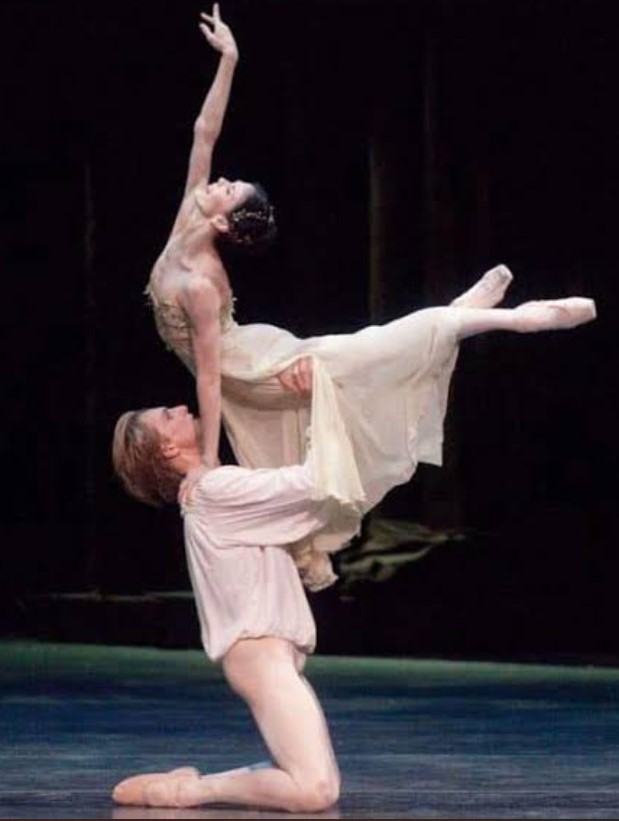
Her childhood gymnastics training helped establish the physical strength and coordination that remain visible in her dancing.
Meanwhile, contemporary collaborations have encouraged her to experiment with grounded movement, unusual body positions, and freer interpretations of rhythm.
That contrast between explosive athleticism and emotional vulnerability makes her performances instantly recognizable.
Awards and Major Achievements
Natalia Osipova has received numerous prestigious awards throughout her professional ballet career.
- 2007: Critics’ Circle National Dance Awards – Best Female Dancer.
- 2008: Benois de la Danse – Best Female Dancer.
- 2008: Golden Mask Award – Recognized for In the Upper Room.
- 2009: Golden Mask Award – Recognized for La Sylphide.
- 2010: Critics’ Circle National Dance Awards – Best Female Dancer.
- 2011: Positano Dance Award – Best Female Dancer.
- 2014: Critics’ Circle National Dance Awards – Best Female Dancer.
- 2022: Critics’ Circle National Dance Awards – Outstanding Female Classical Performance.
These honors reflect her international reputation and ability to excel in both classical and contemporary productions.
Her repeated recognition by the Critics’ Circle is particularly significant, highlighting her sustained influence on professional ballet.
Natalia Osipova’s Acting Debut in 2026
We can’t talk about Natalia Osipova’s recent career without mentioning her move into theater.
In September 2026, she made her professional acting debut in The Standard of Living, a play written by James Graham and directed by Nicholas Hytner.
The production, staged at London’s Theatre Royal Haymarket, explores the life of British economist John Maynard Keynes.
Natalia plays Lydia Lopokova, a Russian ballerina who performed with the Ballets Russes before marrying Keynes in 1925.
Although Natalia has portrayed dramatic characters throughout her ballet career, performing spoken dialogue in English presented an entirely different challenge.
She admitted feeling overwhelmed during her first rehearsals.
However, encouragement from former colleague Edward Watson and support from Jason Kittelberger helped her become more comfortable with the experience.
The role also reflects her growing desire to explore artistic opportunities outside traditional ballet.
After decades of performing demanding classical roles, Natalia is increasingly interested in contemporary productions and theatrical storytelling.
Final Words
Natalia Osipova remains a principal dancer with The Royal Ballet while exploring new opportunities in contemporary dance and theater.
What makes her especially interesting is her willingness to take creative risks, even after reaching the highest levels of classical ballet.
Whether she’s performing an explosive jump in Don Quixote or developing a dramatic character onstage, Natalia continues showing audiences different sides of her artistic personality.