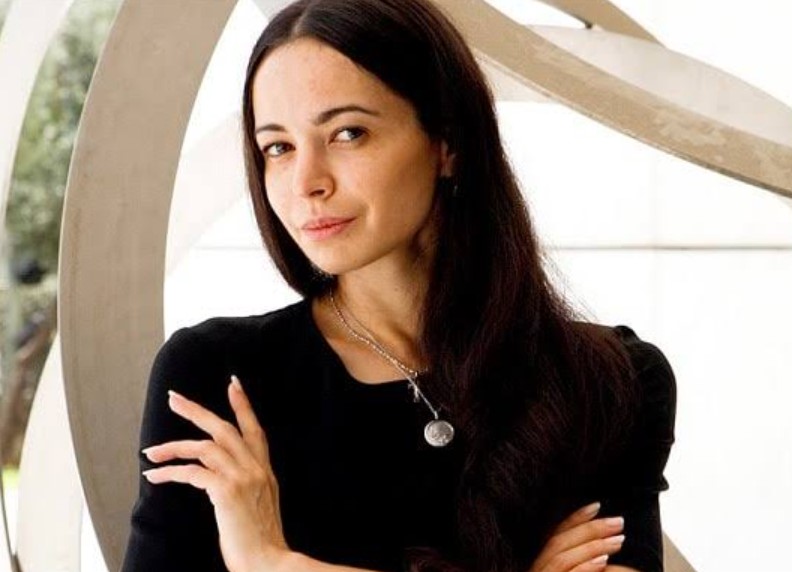
Diana Vishneva is a Russian ballet dancer best known as a prima ballerina with the Mariinsky Ballet and former principal dancer at American Ballet Theatre. Famous for her expressive performances, remarkable musicality, and powerful classical technique, she has earned some of ballet’s most prestigious awards.
She’s also the founder of the Context contemporary dance festival. Let’s explore her life and career.
Diana Vishneva’s Biography
Here are some quick facts about Diana Vishneva, including her age, family, and professional background.
- Real Name: Diana Viktorovna Vishneva
- Birthday: July 13, 1976
- Birthplace: Leningrad, Soviet Union (now Saint Petersburg, Russia)
- Nationality: Russian
- Profession: Professional ballet dancer, artistic director, dance educator
- Dance Style: Classical ballet, neoclassical ballet, contemporary dance
- Parents: Both worked in technical and engineering professions
- Siblings: One older sister
- Husband: Konstantin Selinevich (married in 2013)
- Children: One son, Rudolf-Viktor
- Dance Company: Mariinsky Ballet
- Former Company: American Ballet Theatre (2005–2017)
Diana Vishneva Net Worth
Diana Vishneva’s net worth has not been publicly confirmed by a reliable financial source.
Her career has included performances with the Mariinsky Ballet, American Ballet Theatre, and major international companies.
She has also developed independent productions, educational programs, and the Context dance festival. However, her exact salary, business earnings, and personal assets have not been publicly disclosed.
Read more: How much do ballerinas make a year?
Diana Vishneva Personal Life
Diana Vishneva grew up in a family of engineers in Leningrad. Her mother encouraged her to pursue ballet, partly because she had been unable to follow her own childhood dream of dancing.
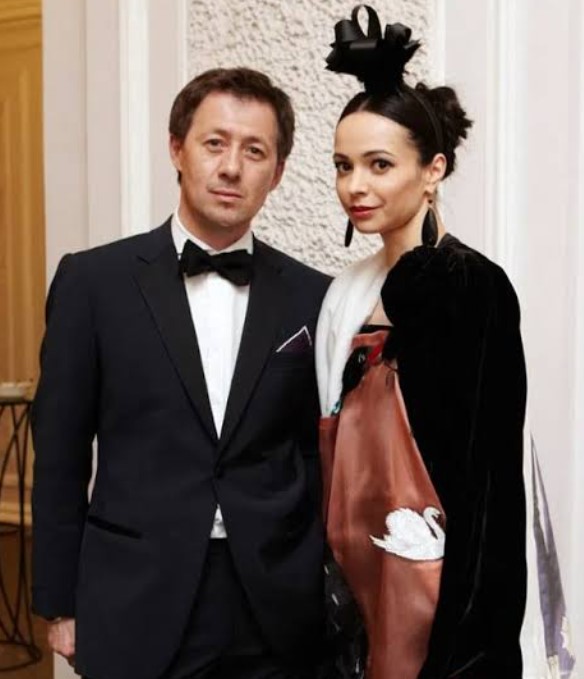
In August 2013, Diana married producer Konstantin Selinevich in Hawaii.
The couple welcomed their son, Rudolf-Viktor, on May 13, 2018.
Although she occasionally shares family moments publicly, Diana generally prefers keeping her private life separate from her professional career.
Early Life
Diana Vishneva was born on July 13, 1976, in Leningrad, which is now Saint Petersburg, Russia.
Interestingly, her introduction to ballet came through her mother’s unfulfilled childhood ambitions.
Her mother had always wanted to become a dancer but never received the opportunity. When Diana showed an interest in movement, her family encouraged her to explore dance.
At six years old, she began taking lessons at the local Palace of Pioneers.
She enjoyed the classes, although her early interests also included sports and figure skating.
By age ten, Diana wanted to take ballet more seriously.
She auditioned for the prestigious Vaganova Ballet Academy but was initially rejected.
Rather than giving up, she continued practicing and eventually earned admission at age eleven.
At the academy, Diana studied under teachers including Lyudmila Belskaya and Lyudmila Kovaleva.
The training was demanding, requiring long hours of technical exercises, flexibility work, and careful attention to musical timing.
Her persistence gradually paid off.
In 1994, while still a student, Diana traveled to Switzerland for the Prix de Lausanne, one of the world’s leading competitions for young ballet dancers.
That experience would change her career dramatically.
The Way to Become a Professional Dancer
Diana Vishneva’s transition into professional ballet began before she finished her formal education.
During her final year at the Vaganova Academy, she received opportunities to train and perform with the Mariinsky Theatre.
Her outstanding performance at the 1994 Prix de Lausanne had already attracted international attention.
However, she chose to complete her studies rather than immediately pursue a career abroad.
In 1995, Diana graduated from the Vaganova Academy and joined the Mariinsky Ballet.
The company was known internationally for its demanding classical repertoire and rich Russian ballet traditions.
Despite being a newcomer, Diana quickly received opportunities to perform important roles.
Her technical abilities and expressive stage personality made her particularly effective in dramatic ballets.
In 1996, she was promoted to principal dancer, just one year after joining the company.
That rapid advancement established her as one of the Mariinsky’s most promising young ballerinas.
The Breakthrough
Diana Vishneva’s major breakthrough came in 1994 when she won both the Grand Prix and Gold Medal at the Prix de Lausanne.
The competition brought together talented young ballet dancers from around the world.
Diana performed classical ballet alongside a contemporary piece based on Carmen, choreographed for her by Igor Belsky.
The experience introduced her to unfamiliar movement styles and new approaches to choreography.
She later explained that watching dancers perform works by John Neumeier and Mats Ek inspired her interest in contemporary dance.
Winning the competition established her international reputation before she had even graduated.
It also gave her the confidence to imagine a professional career extending far beyond traditional Russian ballet.
The Journey to Success
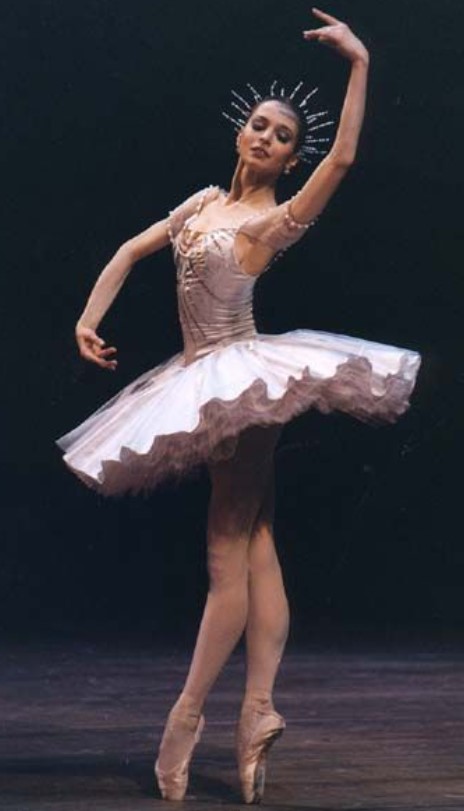
Following her promotion at the Mariinsky, Diana began building an extensive international career.
In 2001, she appeared with the Bavarian State Ballet in Manon and La Scala Ballet in The Sleeping Beauty.
She made her Paris Opera Ballet debut in 2002, performing Kitri in Don Quixote.
Her appearances in Europe introduced audiences to her dramatic interpretations and strong classical technique.
In 2003, Diana performed at New York’s Metropolitan Opera House in Romeo and Juliet.
Two years later, she became a principal dancer with American Ballet Theatre.
During her thirteen seasons with ABT, she performed major roles in Giselle, Swan Lake, Onegin, and The Lady of the Camellias.
Her 2017 farewell performance with the company was in Onegin.
Although she left ABT, she continued performing with the Mariinsky and developing independent artistic projects.
Diana Vishneva Dance Style
One thing that makes Diana Vishneva stand out is her ability to combine demanding classical technique with emotional storytelling.
Her primary dance style is classical ballet, but she also has extensive experience in neoclassical and contemporary choreography.
If you’ve watched Diana perform Giselle, you’ll probably notice how naturally she communicates through delicate gestures, expressive arms, and changing movement dynamics.
Her portrayal of the title character emphasizes vulnerability, emotional intensity, and carefully controlled movement.
In Don Quixote, she demonstrates a completely different personality.
The role of Kitri requires energetic footwork, fast turns, impressive balances, and playful theatrical expression.
Diana moves between these contrasting qualities with remarkable confidence.
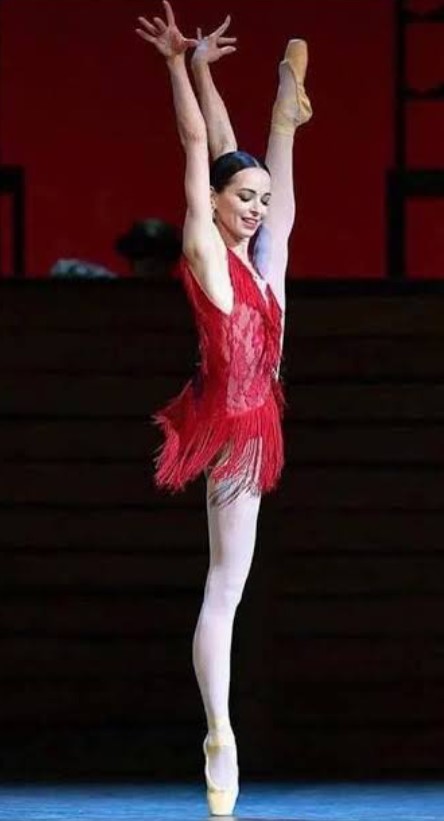
Her musicality is another recognizable strength.
Instead of simply following the rhythm, she uses subtle changes in timing to emphasize a character’s emotions.
Her Vaganova training contributes to her refined posture, expressive upper body, and smooth transitions.
However, collaborations with William Forsythe, Mats Ek, Jiří Kylián, and other contemporary choreographers have expanded her movement vocabulary.
These works introduce grounded positions, unconventional gestures, and movement patterns that differ from traditional classical ballet.
That combination of technical control, artistic curiosity, and dramatic expression makes her performances particularly distinctive.
Awards and Major Achievements
Diana Vishneva has received numerous prestigious honors throughout her professional ballet career.
- 1994: Prix de Lausanne – Grand Prix and Gold Medal.
- 1996: Benois de la Danse – Award for her performance as Kitri in Don Quixote.
- 2000: State Prize of Russia – Recipient.
- 2001: Golden Mask Award – Recognized for Rubies.
- 2002: Dance Europe – Best Dancer of Europe.
- 2007: People’s Artist of Russia – Awarded.
- 2009: Golden Mask Awards – Three honors for Beauty in Motion.
- 2013: Golden Mask Awards – Two honors for Dialogues.
- 2017: Dance Magazine Award – Recipient.
These achievements reflect both her classical ballet accomplishments and her contributions to contemporary choreography.
Her repeated Golden Mask recognition is especially significant because it reflects success across traditional ballet and experimental productions.
Diana Vishneva and the Context Dance Festival
We can’t talk about Diana Vishneva without mentioning her work promoting contemporary dance.
In 2013, she founded Context. Diana Vishneva, an international festival dedicated to contemporary choreography.
The event brings together established choreographers, emerging artists, and audiences interested in modern approaches to dance.
Unlike traditional ballet festivals, Context places particular emphasis on experimental performances, artistic collaboration, and new choreographic ideas.
The festival has featured works associated with artists such as Jiří Kylián, Hans van Manen, and Ohad Naharin.
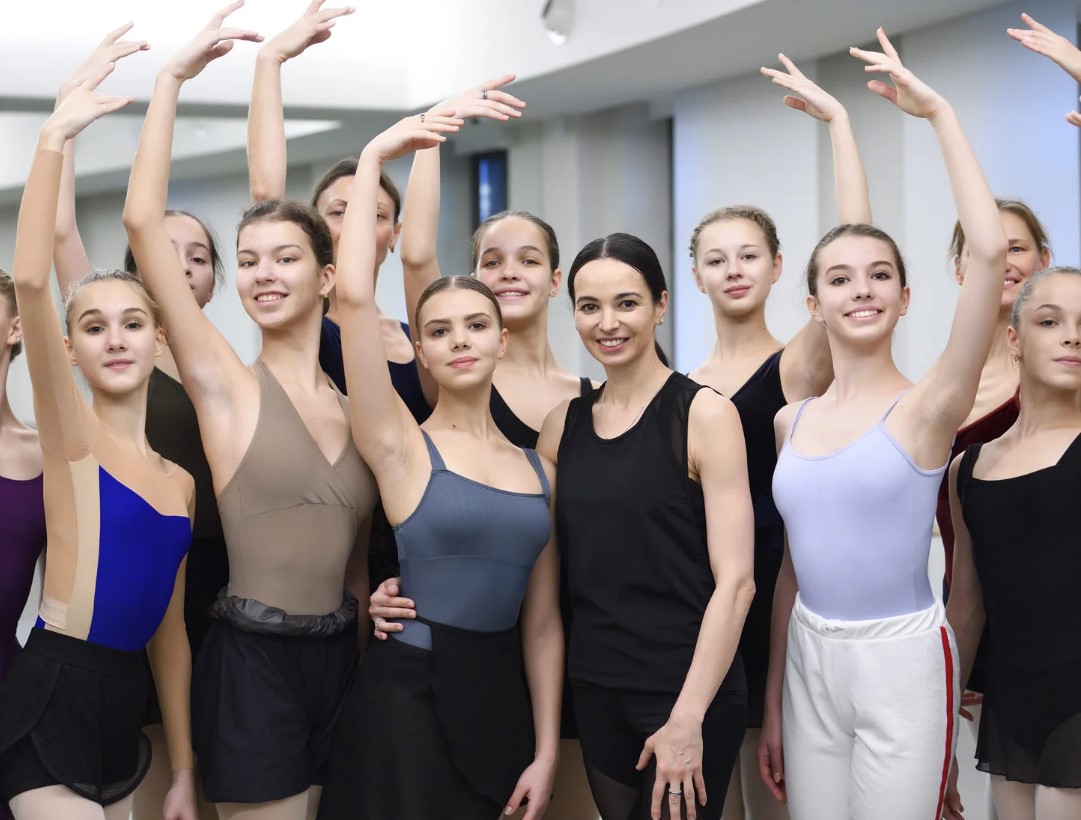
Diana also established Studio Context in Saint Petersburg in 2017, creating opportunities for professional dancers and beginners to study different movement styles.
In July 2026, she celebrated her 50th birthday and three decades onstage with Diana. Without Words, a special contemporary dance program at Saint Petersburg’s Tovstonogov Bolshoi Drama Theater.
The production reflected her continuing interest in exploring dance beyond traditional classical ballet.
Final Words
At 50, Diana Vishneva remains an important figure in international ballet, continuing to perform while supporting contemporary choreography and dance education.
What makes her especially interesting is her willingness to explore unfamiliar artistic territory without abandoning her classical roots.
Whether she’s interpreting a dramatic ballet character or presenting experimental choreography, Diana continues finding new ways to communicate through movement.